
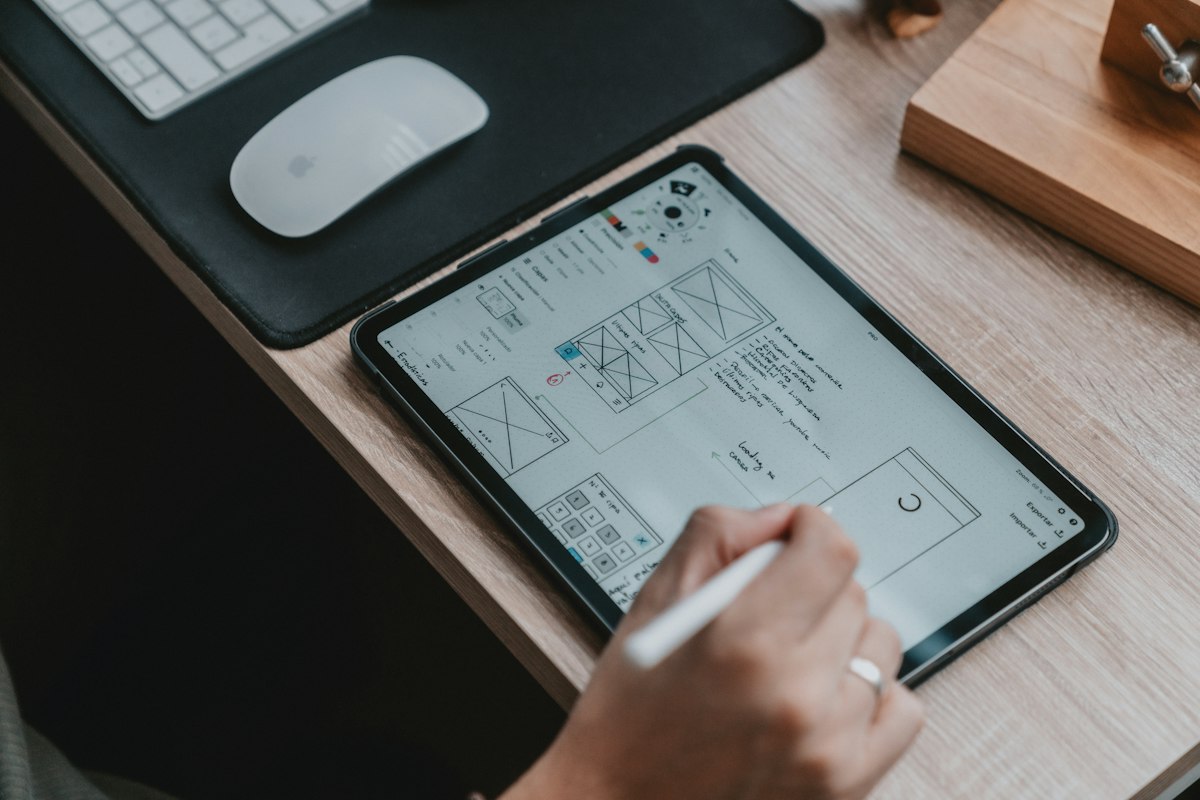
Research comes before any visual work
Before opening Figma, fellows typically work through understanding the actual user problem: who is using this feature, what are they trying to accomplish, and where does the current experience fail them.
Skipping this step is the most common mistake junior designers make, leading to visually polished screens that do not actually solve the underlying problem.
Wireframes, prototypes, and iteration cycles
Fellows move through low-fidelity wireframes before high-fidelity mockups, testing structure and flow before worrying about color and typography. Prototypes are then used to gather feedback and catch usability issues early, when changes are still cheap to make.
Expect several rounds of revision based on feedback from mentors and, in many cases, real users.
- Wireframe the core user flow before any visual design.
- Build an interactive prototype to test the flow, not just static screens.
- Document your design decisions, including what you tried and rejected.
Working closely with engineering
A significant part of internship design work involves handoff to engineering: specifying spacing, states, edge cases, and responsive behavior clearly enough that a developer can implement it accurately without constant back-and-forth.
This collaboration is one of the most valuable parts of the experience, because it teaches design interns to think about feasibility and technical constraints alongside aesthetics.
Want more?
Follow INVOQE for more practical learning and startup insights.
If you are building a career in product teams, the internship and blog are designed to give you examples, frameworks, and context that you can actually use.